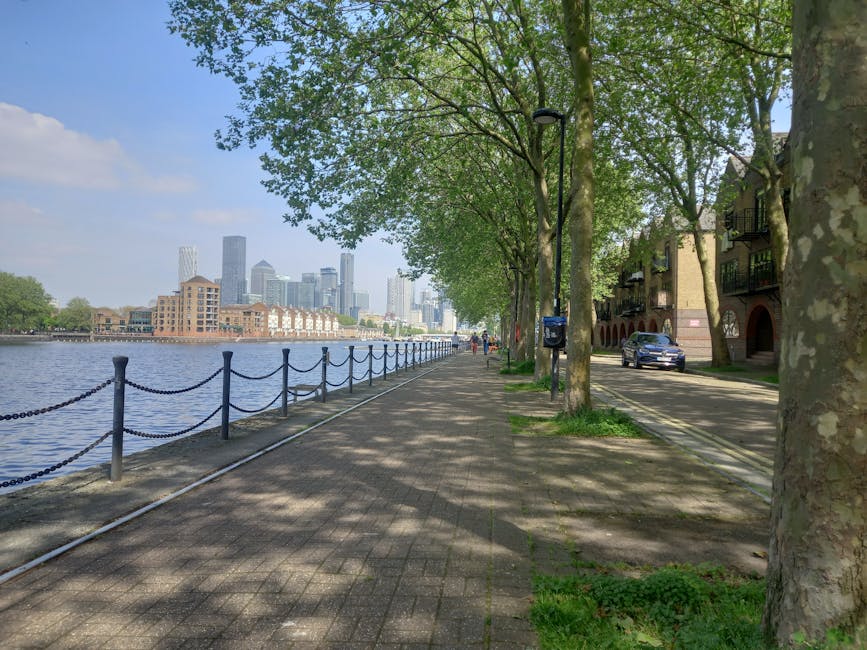
Avoid hidden rubbish removal charges in Canary Wharf
If you have ever asked for a rubbish removal quote and then felt that sinking feeling when the final bill looked nothing like the first price, you are not alone. Hidden charges can turn a straightforward clearance into an annoying, expensive headache. In Canary Wharf, where access, parking, timing, and building rules can all affect a job, it pays to know exactly what you are paying for before anything is lifted. This guide explains how to avoid hidden rubbish removal charges in Canary Wharf, what to check in advance, and how to compare quotes without getting caught out.
Whether you are clearing a flat, an office, builder's debris, or bulky items like furniture and appliances, the same basic rule applies: clear pricing protects you. And honestly, it saves a lot of back-and-forth later on.
Table of Contents
- Why it matters
- How rubbish removal pricing usually works
- Key benefits and practical advantages
- Who this is for and when it makes sense
- Step-by-step guidance
- Expert tips for better results
- Common mistakes to avoid
- Tools, resources and recommendations
- Law, compliance, standards and best practice
- Options and comparison table
- Case study or real-world example
- Practical checklist
- Conclusion
- Frequently asked questions
Why Avoid hidden rubbish removal charges in Canary Wharf Matters
Hidden charges are more than a pricing nuisance. They can break a budget, delay a move, and create mistrust at the exact moment you want the job done quickly. In a place like Canary Wharf, the stakes are a bit higher because the work environment can be tighter, busier, and more controlled than a typical residential street. A van may need to wait for access. A team may need to move items from a higher floor. Lift use, loading restrictions, and timed collections can all influence the quote. None of that is automatically a problem, but it must be explained properly.
The real issue is transparency. A genuine rubbish removal service should be able to explain what is included, what is not, and what circumstances might affect the price. If that information is vague, expect surprises. And surprises in rubbish removal are rarely the fun kind.
It also matters because people often compare prices too quickly. A cheap headline quote can look great until labour, congestion, stair carry, item category, disposal type, or waiting time is added later. By the time the team is outside your building, you are already committed. That is why early clarity matters so much.
Expert summary: The safest way to avoid hidden rubbish removal charges is to confirm the full scope in writing, describe the waste honestly, and ask what would trigger an extra fee before you book.
How Avoid hidden rubbish removal charges in Canary Wharf Works
Good rubbish removal pricing is built around four things: the type of waste, the volume, the access, and the disposal requirements. That sounds simple, but each factor can change the price in a real-world setting.
1. Type of waste
General household waste, mixed junk, office clearances, bulky furniture, electricals, plasterboard, soil, and hazardous materials are not treated the same way. Some items are straightforward. Others require more handling, separation, or specialist disposal. For example, fridge and appliance removal may need different handling from everyday bagged waste, while hazardous waste disposal should be approached with caution and clear agreement beforehand.
2. Volume and weight
Most price structures depend on how much space the items take up in the vehicle, plus how heavy they are. A few light bags are not the same as a roomful of damp rubble. If you underestimate, the quote may rise on arrival. If you overstate, you may pay for more capacity than you need.
3. Access and loading conditions
This is where Canary Wharf often becomes more specific. Stair carries, lift restrictions, basement access, security checks, long walking distances from the entrance, and loading bay rules can all affect labour time. If the removal team has to wait around because the concierge is busy or the lift is temporarily unavailable, some companies will charge extra. Others may not, but only if it was agreed in advance.
4. Disposal and compliance needs
Some waste streams need sorting or special treatment. That is especially true for items like appliances, confidential papers, mattresses, or renovation debris. Services such as confidential shredding, builders waste clearance, and mattress and sofa disposal are usually quoted differently from standard mixed rubbish because the handling is different.
In practice, the process should be simple: you explain the job, the provider assesses the details, a price is given, and the team collects what was agreed. If the quote is based on assumptions instead of actual information, that is where hidden charges tend to creep in. Not ideal. Not at all.
Key Benefits and Practical Advantages
When you take time to prevent hidden charges, the benefits are immediate. You get a cleaner decision-making process and less stress on the day. That sounds obvious, but in a busy part of London it really does matter.
- Better budgeting: You know what the removal will cost before the team arrives.
- Fewer delays: Clear access details reduce on-the-day arguments and hold-ups.
- More accurate quotes: The right information leads to a fairer price.
- Less disruption: There is no last-minute re-negotiation in your hallway or loading bay.
- Higher trust: Transparent pricing is usually a sign of a more professional service.
For offices, the advantage is even bigger. If you are arranging a clearance around a move, fit-out, or end-of-lease deadline, one unexpected cost can upset the whole plan. That is why many businesses prefer a provider that is clear about pricing and quotes before the job starts. Truth be told, peace of mind is worth a lot when desks are being dismantled and the lifts are busy.
There is also a quality-of-service angle. Companies that explain their pricing clearly often explain the whole process clearly, too. That usually means better communication, safer handling, and fewer awkward conversations later. Funny how that works.
Who This Is For and When It Makes Sense
This advice is for anyone arranging waste collection in or around Canary Wharf and wanting to keep the bill predictable. In particular, it helps if you are:
- moving out of a flat and need a flat clearance
- emptying a home or inherited property and need a broader home clearance or house clearance
- clearing an office after a refurbishment or relocation with office clearance
- disposing of bulky items like sofas, beds, or wardrobes
- getting rid of builder's debris from a renovation
- sorting out a garage, loft, or storage space that has quietly filled up over time
- trying to compare a skip with a man-and-van style collection
It also makes sense if you are coordinating access through a managed building. In Canary Wharf, even a small collection can be shaped by concierge instructions, service lift availability, and timing windows. If you have ever stood with a pile of boxes waiting for a lift that is "just being used by someone upstairs," you know the feeling.
This is not only for large clearances. Hidden charges can appear on small jobs too. A single sofa, a fridge, or a few heavy bags may be quoted cheaply at first, then re-priced once access or disposal requirements are mentioned. So yes, even modest jobs deserve a proper check.
Step-by-Step Guidance
If you want to avoid hidden rubbish removal charges in Canary Wharf, use a simple process. Nothing fancy. Just careful, honest preparation.
- List everything that needs removing. Include bulky items, loose rubbish, and anything that might be classed differently, such as appliances, confidential waste, or hazardous materials.
- Take a few photos. Wide shots are useful. If possible, show the items together and separately. A photo of a cluttered room tells more than a hopeful sentence ever will.
- Explain access clearly. Mention stairs, lift access, walking distance, concierge checks, parking restrictions, and any time limits.
- Ask what is included in the quote. Labour, loading, disposal, recycling, VAT if applicable, and any waiting time should be clear.
- Ask what could change the price. This is the big one. If there is an extra charge trigger, it should be named before booking.
- Confirm the waste type. If you have mixed waste, builder's rubble, electricals, or specialist items, say so early.
- Read the terms before you agree. The detail matters, even if it feels a bit dull. Dull is good when money is involved.
- Keep the quote or booking confirmation. A written record helps prevent disagreement later.
If you are planning a larger job, it can help to check related guidance on waste removal and recycling and sustainability so you understand how items are likely to be handled. That way, you are not guessing. Guessing is expensive, generally speaking.
Small but useful habit: keep one person responsible for the booking details. When three people all think someone else mentioned the lift restriction, things get messy fast.
Expert Tips for Better Results
Here are the practical habits that usually make the biggest difference.
- Describe awkward items first. If there is one bulky wardrobe, a broken treadmill, or a pile of mixed debris, mention it before the easy stuff.
- Ask about minimum charges. A minimum fee may be completely normal, but it should be known upfront.
- Check whether labour time is capped. If a team is likely to need extra time because of access, ask how that affects the quote.
- Clarify whether sorting is included. Mixed waste can be more labour-intensive than neatly separated items.
- Confirm special-item pricing early. Items such as appliances, mattresses, or confidential documents may be priced differently.
- Keep the collection route clear. Even moving items closer to the door can reduce the chance of extra labour.
- Use plain language. "A few bags" can mean different things to different people. Better to say "ten black sacks, two chairs, one chest of drawers."
One more thing: good companies usually appreciate detail. It helps them give a better price. If a provider gets annoyed by questions about extras, that is a signal in itself.
And do not be afraid to ask for the total price in a single figure. That is not rude. That is sensible.
Common Mistakes to Avoid
The same traps show up again and again. The good news is that they are easy to avoid once you know them.
1. Under-describing the waste
People often forget about items in cupboards, under beds, or in storage corners. Then the actual load is bigger than expected. A quick second look can save a lot of bother.
2. Ignoring access details
In Canary Wharf, access is not a minor detail. It can be the detail. If the team has to queue for a loading bay or use a service entrance with rules attached, the quote may change.
3. Assuming every item is priced the same
A sofa is not a beanbag. A fridge is not a cardboard box. Different items can create different handling and disposal costs.
4. Not reading the terms
It takes a few minutes, and yes, it is a bit tedious. But that is where waiting fees, special item charges, and booking conditions often live.
5. Comparing only the headline price
The cheapest quote is not always the cheapest job. A clear all-in price can beat a low starting price with add-ons.
6. Forgetting about prohibited or special waste
If you have items that need special handling, such as chemicals or certain electrical waste, say so before collection. It avoids the awkward "we can't take that as quoted" moment.
Tools, Resources and Recommendations
You do not need fancy software to plan a rubbish removal without hidden charges. A few simple tools are enough.
- Phone camera: take broad and close-up photos.
- Notes app: list every item and any access issues.
- Measuring tape: useful for bulky furniture, especially if you want to know whether it will fit through a narrow corridor or lift.
- Building rules or concierge notes: keep these handy if your property has managed access.
- Booking confirmation: save it in case you need to check what was agreed.
On the service side, these pages can help you understand how a provider structures its offering: book online, payment and security, and insurance and safety. If you are booking for a workplace, business waste removal may also be worth reviewing because commercial jobs often involve different expectations around access, documentation, and timing.
If your clearance includes furniture, it is worth checking both furniture clearance and furniture disposal guidance so you understand how bulky items are handled. A little prep now can prevent an "oh, that's extra" conversation later.
Law, Compliance, Standards and Best Practice
When rubbish is removed professionally in the UK, the service should be carried out with proper care for waste handling, safety, and disposal responsibilities. You do not need to become a compliance expert, but you should expect a provider to handle waste lawfully and to explain any special requirements in plain English.
Best practice usually means the company is clear about:
- what waste it can and cannot take
- how it separates items for reuse, recycling, or disposal
- what happens to hazardous or restricted materials
- how pricing is affected by unusual items or access constraints
- how safety is managed during lifting, transport, and loading
For builders' waste, the expectations are often stricter because materials may be heavier, messier, or more likely to need sorting. That is why a dedicated page like builders waste clearance matters. It sets the right expectations before anyone starts pulling out plasterboard, timber offcuts, or mixed renovation debris.
If confidential material is involved, do not treat it like ordinary rubbish. Use a service that deals with it appropriately, and keep your own records in order. If appliances, mattresses, or potentially risky items are included, ask how they are handled. Simple question. Very useful answer.
Practical rule: if something feels unclear in the quote, ask again before booking. Good providers do not mind. In fact, they should welcome it.
Options, Methods, or Comparison Table
People usually compare three broad approaches: a man-and-van rubbish removal service, a skip, or a more specialised clearance service. The right choice depends on access, volume, and how much sorting you want to do yourself.
| Option | Best for | Main risk of hidden charges | Practical note |
|---|---|---|---|
| Man-and-van style rubbish removal | Mixed household waste, bulky items, quick clearances | Extra labour, waiting time, special items, poor access | Good when you want flexibility and collection from inside the property |
| Skip hire | DIY projects, steady ongoing loading, builder's waste | Permit needs, size miscalculation, restricted waste types | Useful if you can load it yourself and have space |
| Specialist clearance service | Flats, offices, furniture, appliances, complex jobs | Unclear item categories or access conditions | Often the best fit where there are stairs, lifts, or managed buildings |
For people unsure whether a skip is the better choice, the page on what can go in a skip can help frame the decision. That matters, because the wrong method often creates the very extra charges people were trying to avoid.
Case Study or Real-World Example
A typical Canary Wharf scenario goes like this. A resident in a high-rise flat needs to clear a sofa, a broken bedside cabinet, several bags of mixed clutter, and an old microwave. The first quote they receive looks fine at a glance. But then the details come out: the lift is booked for a limited window, the building requires pre-authorised access, and the sofa may need more than one person to carry it safely.
At that point, a poor provider might simply add charges on arrival. A better one will ask those questions before confirming the booking. The difference is not just money. It is confidence.
In a more commercial example, an office near the estate might need desks, storage units, confidential papers, and a couple of appliance items removed after a refurbishment. If the team knows in advance that papers need confidential shredding and that there are timing restrictions around the loading bay, the quote can be set properly. If not, the final bill may edge upward with every extra complication. It happens more often than you would think.
The lesson is plain: accurate details save money. Not glamorous, but true.
Practical Checklist
Use this before you book:
- Have I listed every item that needs removing?
- Have I included photos of the waste and the access route?
- Have I explained stairs, lifts, parking, and loading restrictions?
- Do I know whether labour, disposal, and recycling are included?
- Have I asked what would trigger an extra charge?
- Have I mentioned bulky items, appliances, or special waste?
- Have I checked the booking terms carefully?
- Have I saved the quote or confirmation in writing?
- Do I understand whether the job is better suited to a skip or a clearance service?
- Have I confirmed the collection time and any building rules?
If you can tick most of those off, you are already ahead of the game. Really.
Conclusion
Avoiding hidden rubbish removal charges in Canary Wharf is mostly about clarity, honesty, and a little preparation. The more accurately you describe the waste, access, and timing, the less room there is for awkward surprises. That is the whole trick.
Look beyond the first number. Ask what is included. Ask what is not. Ask what changes the price. Those questions do not make you difficult; they make you informed. And in a busy part of London where time matters and buildings often have their own rules, being informed is a proper advantage.
Whether you need help with a flat clearance, an office job, furniture disposal, or a mixed rubbish removal, the smartest move is to book with a provider that explains things clearly from the start. A clear quote is not just a nicer quote. It is a better service, full stop.
Get a free quote today and see how much you can save.
And if you are still weighing things up, take a breath, check the details once more, and trust the process. A tidy plan makes the whole job feel lighter.
Frequently Asked Questions
What are hidden rubbish removal charges?
They are extra fees that are not clearly explained before booking. Common examples include waiting time, difficult access, special waste handling, or charges added because the load was bigger than expected.
How can I tell if a quote is genuinely all-inclusive?
Ask what the price covers in writing. A proper quote should explain labour, loading, disposal, and any circumstances that might change the total. If the answer sounds vague, keep asking.
Why is Canary Wharf different from other areas?
Canary Wharf often involves managed buildings, lifts, loading restrictions, security checks, and time windows. These can all affect the job, so access details matter more than they might in a simpler street-level collection.
Should I send photos before booking?
Yes, absolutely. Photos reduce guesswork and help the provider estimate the load properly. Wide shots and a few close-ups are usually best.
Do bulky items cost more to remove?
Often, yes. Sofas, mattresses, fridges, and wardrobes may need different handling from bagged waste, so they can be priced separately. Ask before collection rather than assuming.
Can I avoid extra charges by moving items outside myself?
Sometimes that helps, but only if it is safe and allowed. In some buildings, leaving items in the wrong place can cause access or security issues. Check first.
What should I do if the provider adds charges on arrival?
Stay calm and ask them to explain the difference between the quoted job and the actual job. If the change was not clearly disclosed beforehand, refer back to the written quote or booking confirmation.
Is skip hire better for avoiding hidden costs?
Not always. Skips can be straightforward, but they also come with their own variables such as permits, size choices, and restricted waste types. The best option depends on the job.
Do office clearances need different pricing checks?
They usually do. Office jobs can involve confidential waste, appliance items, heavier furniture, and building access rules. For that reason, clear communication is especially important.
What if I am not sure how much rubbish I have?
Give your best estimate, add photos, and describe the items one by one. A good provider can usually work from that. Honesty beats guessing every time.
Can I include electrical items or appliances in a normal rubbish removal?
Sometimes, but not always under the same terms as general waste. Items like fridges, freezers, and some appliances may need different handling, so mention them early.
Where can I check a provider's terms before booking?
Look for the company's terms and conditions, payment details, and pricing information before you confirm. Those pages are there for a reason, even if they are not the most exciting reading in the world.